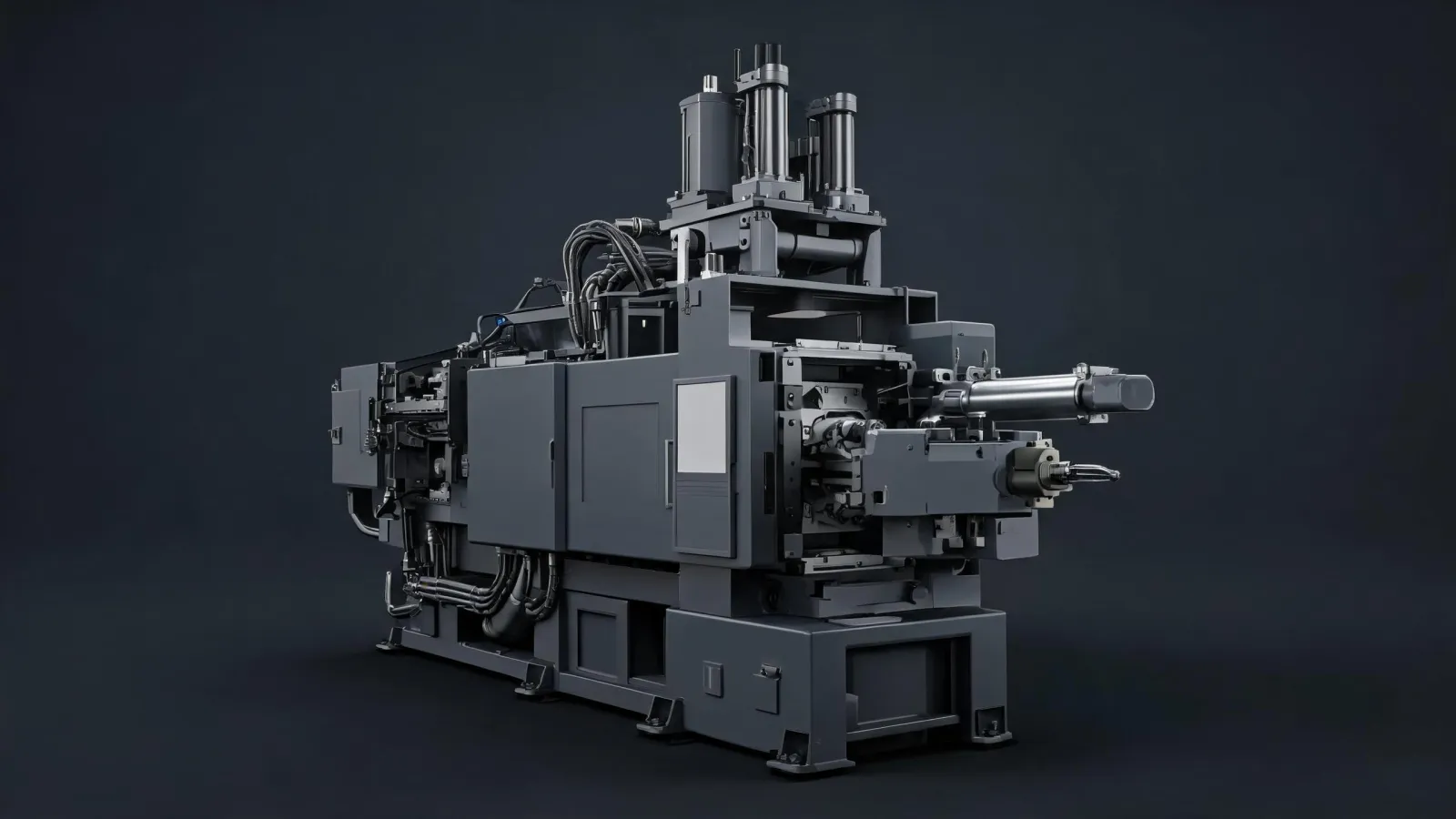
Flagship injection press photographed for a sourcing brief

Quote comparison desk

Low volume injection molding manufacturer quotes on one locked scope

This page is the buyer workflow when a startup is bridging 200 pieces before steel. It is not a factory catalog, and it does not reserve a press slot or invent a shot-life number the plant has not written.

Send the comparable brief Open inquiry names
ISO 9001 to requestMaterial CoC to requestFAI / CMM to requestPPAP if requiredShot-count on the quote

Steps used to keep 200-piece bidders aligned

The sequence is a review method, not a company founding story. Dated checkpoints are examples a buyer can copy into the packet, not a claim that this desk has operated since a named year.

Step 01

Freeze revision, resin and first-tool family

Write the drawing revision, resin grade, color, and whether the first tool may be a 3D-printed insert, aluminum, P20, or hardened steel. Record wall thickness, draft angle, and gate preference. A printed insert and an aluminum cavity do not share the same shrink map or heat budget at 200 shots.
Step 02

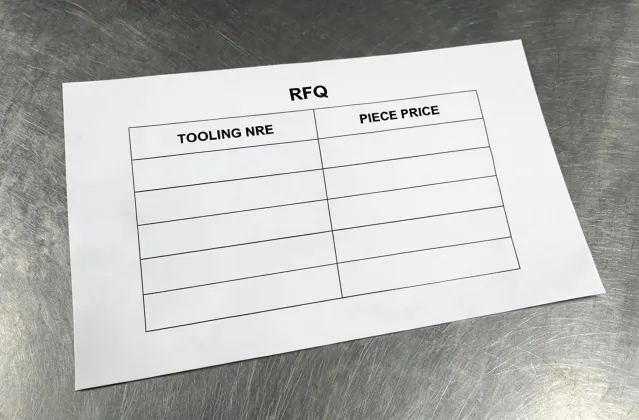
Split NRE, piece price and the shot-count line

Tooling NRE, printed-insert reprints, texture, T0/T1/T2 shots, packing, freight and inspection stay in separate columns. The 200-piece lot, later EAU, and the steel-later trigger belong in the same packet so a second insert is not billed as if it were already priced.

Step 03

Name inspection and documents

State whether FAI, CMM, CoC, material certificate, or PPAP sit inside the quote. Keep ISO 9001, IATF 16949, ISO 13485 and ITAR as supplier evidence, not as this desk's assets. Unconfirmed lead time stays marked open.

Step 04

Read delivered cost with the shot cap visible

Currency, Incoterm, packing, destination, duties, and a second-insert reprint must share one basis. The cheapest printed-tool NRE can become the expensive path if 200 pieces need two inserts. This desk does not publish a savings percentage.

What every low volume injection molding manufacturer must quote

RFQ packet with tooling and piece-price columns

Same revision, same exclusions, same shot cap

Each bidder identifies assumptions, exclusions, tooling or insert-reprint charges, inspection scope, packaging, freight basis, quotation validity, and the shot-count limit written on the quote. Unconfirmed capacity, resin dry-time, and texture lead time stay marked as open until the selected factory returns evidence.

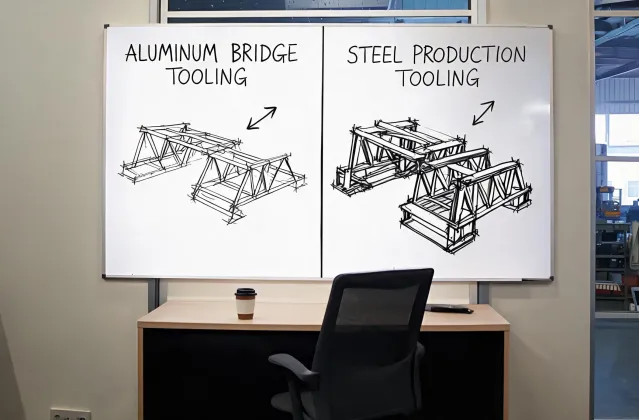
Aluminum versus steel mold comparison sketch

Aluminum tool versus 3D-printed tool for 200 pcs

Printed-tool advocates argue lower NRE and a faster first cavity when the startup still expects weekly ECOs. Aluminum-tool advocates argue a more stable shrink map, better SPI texture, and a shot-life that usually covers 200 pieces with margin if the quote writes the cap. This page does not pick a winner; it keeps the claimed benefit next to the shot-count limit and the resin-temperature note you wrote.

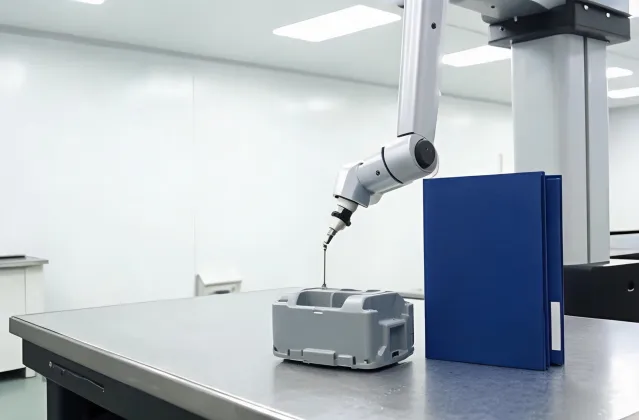
CMM checking a molded housing

Inspectable GD&T, not drawing folklore

Datums, wall thickness, and warp limits must be measurable on the 200-piece lot. Opening a non-functional ±0.05 mm callout often changes cycle time more than changing the resin lot. Ask which features the CMM program will actually cover, and whether a printed-tool warp study is even offered.

Cost and exclusion columns

Values are buyer questions. A selected supplier must confirm capability against the same drawing.

ColumnMust be stated by the bidder
Technical scope
ToolPrinted insert, aluminum, or steel; cavity count; gate style; shot-count limit written on the quote.
PartResin, color, wall, draft, inserts, texture, secondary ops.
Commercial scope
Inside quoteT0/T1/T2 shots, the 200-piece lot, packing, FAI, validity window as written.
Outside quoteSecond printed insert, duties, extra texture, ECO steel work, travel days, spare cavities.

Evidence cards, not this desk's certificates

Quality system

ISO 9001 scope and expiry from the named plant. A group certificate that excludes the molding line is an open item.

Regulated files

IATF 16949, ISO 13485, or ITAR evidence only when the application actually needs those files, matching the quoted site.

Material file

Resin lot CoC, drying notes, and regrind percentage if allowed. Color masterbatch source stays on the same row as the 200-piece lot.

Questions buyers raise before outreach

Ask both routes to write the shot-count limit on the quote. A printed insert is useful when revision C is still moving and you accept a possible second insert before piece 200. Aluminum is the closer analog when gate vestige, SPI texture, and one cavity through 200 shots matter more than the lowest NRE. Do not rank the two unit prices until those caps sit on the same sheet with resin temperature and T1 inclusions.

Tooling NRE, printed-insert reprints, hot-runner, texture, inserts, painting, FAI/CMM, packing, freight, duties, ECO steel work, and spare-cavity fees. Ranking only piece price on a 200-piece lot mixes unlike shot-life scopes.

Not for a 200-piece bridge. Steel belongs on the sheet as the later trigger: resin temperature, EAU, or a shot-count the aluminum or printed route cannot cover. Putting steel on the first PO without that trigger usually means you paid production NRE for a geometry that is still moving.